
A Complete Guide to Choosing a Rehabilitation Hospital or Facility in Kanagawa Prefecture: Costs ...
query_builder
2025/10/30
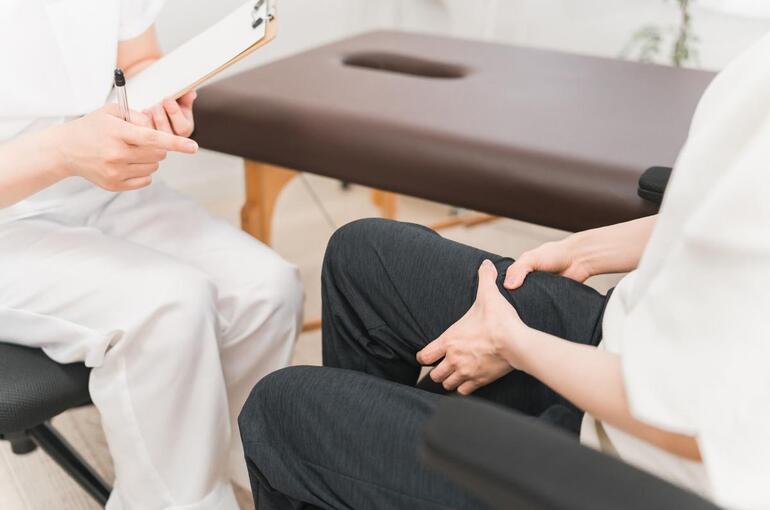
"It's hard to walk," "My legs hurt when I stand up," "I'm worried about how long rehabilitation will take..." Do you have problems like these?
In fact, there are effective methods for foot rehabilitation. However, you may not know which method to try. Many people are looking for foot rehabilitation methods that can be done at home.
In this article, we will introduce tools that are useful for foot rehabilitation and explain in detail how to use each one and what their effects are. We will also show you specific examples of how using these tools can improve your foot muscle strength and range of motion.
LAP Corporation has developed and provides the Power Assist Series to support rehabilitation at home for people with hemiplegia due to cerebral infarction or accidents. This series is a robot that uses air pressure to gently move paralyzed joints in the fingers, ankles, and wrists to assist rehabilitation training. It can be easily used at home, enabling continuous rehabilitation. The product lineup includes the Power Assist Hand for fingers, the Power Assist Leg for ankles, and the Power Assist Wrist for wrists, and is compatible with the rehabilitation of each part of the body. Through these rehabilitation assistance robots, we will contribute to the recovery of function and improvement of the quality of life of everyone.
Home rehabilitation methods are extremely important for people looking to recover and strengthen their feet. Effective rehabilitation can greatly improve the quality of daily life, especially for those with limited movement in the joints and muscles of their feet. By practicing simple rehabilitation methods at home, you can maximize the effectiveness of your rehabilitation and increase the range of motion of your feet.
Basic rehabilitation stretches for the feet
Foot rehabilitation stretching is an important method for effectively moving muscles and joints. Stretching the ankles, calves, and toes in particular improves muscle flexibility and blood flow, speeding up recovery.
Strengthening legs
Strengthening the leg muscles is an important element of rehabilitation. Weakened leg muscles make it difficult to walk and maintain balance in daily life, so it is important to strengthen the muscles properly.
Tips for home rehabilitation
It is important to observe a few precautions when carrying out rehabilitation at home. By being aware of these points, you can carry out rehabilitation safely and effectively.
Continuity of rehabilitation
Rehabilitation is not a short-term process, but rather requires long-term continuity. By continuing a little at a time every day, you can improve the strength and flexibility of your legs and improve the quality of your daily life.
Practicing rehabilitation at home can help your foot recover and lead a healthier life. Through rehabilitation, you can improve your foot strength and flexibility, and improve your quality of life.
For the elderly, strengthening leg muscles is extremely important for maintaining health and improving the quality of daily life. Weakened leg muscles not only make walking and standing difficult, but also increase the risk of falling. Therefore, leg rehabilitation muscle training is essential training for the elderly. In particular, muscle training that can be done in a seated position is ideal for those who are not confident in their physical strength or who have difficulty exercising while standing.
Sitting leg strength training
We will introduce leg strength training methods that even the elderly can easily practice. These exercises can be done while sitting, so they do not put strain on the body. While strengthening the muscles appropriately, you can maintain smooth movements in your daily life.
Standing on tiptoes
This exercise is great for strengthening your calf muscles. While sitting in a chair, place your feet on the floor and raise your toes up into a tiptoe position. Hold this position for a few seconds and then slowly return to the starting position.
Knee bending and straightening exercise
Knee bending and straightening exercises can strengthen the thigh muscles, which are particularly important when standing up and walking, making this exercise extremely useful for older people.
Pulling a towel with your toes
Toe pulling is an exercise that strengthens the muscles in your toes and soles. By moving your toes, you can improve your sense of balance and stability when walking.
Leg opening and closing exercise
The leg-spreading and leg-closing exercise strengthens the muscles around the hip joint and the leg muscles at the same time. It can be easily performed while sitting, and it also improves the flexibility of the hip joint.
Important points to note when doing strength training in a seated position
When performing seated strength training for seniors, it is important to keep a few things in mind.
Benefits of strength training in a seated position
Leg strength training that can be done in a seated position plays a major role in maintaining the health of the elderly. In particular, increasing the strength and flexibility of the legs makes daily life more comfortable. Strengthening muscles also reduces the risk of falling and supports independent living. Since it can be done without straining yourself, it is very important to do it continuously.
List of leg strength exercises for seniors
| Training Name | the purpose | How it's done | Number of times |
| Tiptoe exercise | Calf muscle strengthening | Sit down and raise your toes and hold for a few seconds | 10 repetitions (1 set) x 3 sets |
| Knee bending and straightening exercise | Thigh Strengthening | Lift one leg and straighten the knee, then return to starting position | 10 repetitions (1 set) x 3 sets |
| Pulling a towel with your toes | Strengthening the muscles of the toes and soles of the feet | Grab the towel with your toes and pull it towards you | 10 repetitions (1 set) x 3 sets |
| Leg opening and closing exercise | Hip and leg strength | Repeatedly opening and closing your legs | 10 repetitions (1 set) x 3 sets |
When performing foot rehabilitation at home, using rehabilitation equipment can effectively strengthen muscles and increase the range of motion of the feet. For elderly people and people with foot disorders in particular, rehabilitation equipment that can be used on a daily basis is important for increasing the continuity of rehabilitation and promoting recovery. In this article, we will introduce several foot rehabilitation equipment that can be easily used at home and explain in detail the features and effects of each.
1. Exercise ball
Exercise balls are a very useful tool for foot rehabilitation. By using them while sitting, you can strengthen your foot muscles and balance. In the early stages of rehabilitation, you can start by using the ball to loosen the foot muscles, and as you become more accustomed to it, you can then perform balance exercises to improve foot stability.
2. Leg extension machine
The leg extension machine is a piece of equipment that can effectively strengthen the muscles in your legs. It can particularly target the quadriceps, the muscles in the front of your thighs, and by repeatedly extending your knees while sitting, you can improve your leg strength.
3. Fitness bands (exercise bands)
Fitness bands are very useful equipment for strength training at home. Training with exercise bands is particularly effective for building leg strength. By using the bands, you can adjust the load on your legs, making it suitable for a wide range of exercisers, from beginners to advanced users.
4. Foot massager
Foot massagers are useful for foot rehabilitation, promoting blood circulation in the soles of the feet and relieving muscle tension. They are particularly useful for the elderly, reducing swelling in the feet and improving sensitivity to cold.
5. Training step platform
The training step is a very effective device for training leg strength and balance, and is particularly useful for training to support movements such as standing up and climbing stairs.
How to choose rehabilitation equipment that can be easily used at home
When choosing rehabilitation equipment for your home, it is important to consider the following points:
Recommended rehabilitation equipment
| Instrument Name | the purpose | How to use | Expected results |
| Exercise ball | Improve leg strength and balance | Use it while sitting to relax your leg muscles and improve balance | Improves foot stability and strengthens calf muscles |
| Leg Extension Machine | Quadriceps Strengthening | Repeated knee extension exercises strengthen the quadriceps | Strengthening thigh muscles and muscles around the knees |
| Fitness Bands | Strengthening legs | Wrap it around your feet and pull to train your strength | Increase leg strength and adjust training load |
| Foot Massager | Promotes blood circulation and relieves muscle tension | Massage your feet and relax while using | Promotes blood circulation, reduces swelling, and relieves muscle tension |
| Training step platform | Improve leg strength and balance | Using a step platform to mimic the movement of climbing up and down stairs | Strengthening legs and improving balance |
We have introduced various options for equipment that can help with foot rehabilitation. Simple rehabilitation methods that can be done at home are particularly effective for elderly people and those with poor foot health. Even a little bit of daily training can greatly improve the strength and flexibility of your feet.
For example, by using equipment such as exercise balls and leg extension machines, it is possible to train muscles efficiently and maximize the effect of rehabilitation. Another big attraction is that by using fitness bands and foot massagers, rehabilitation can be easily carried out at home.
There are many different types of equipment for foot rehabilitation, from those that are easy for beginners to use to those that allow for more advanced training. Make good use of rehabilitation equipment that can be used at home to maintain healthy feet.
LAP Corporation has developed and provides the Power Assist Series to support rehabilitation at home for people with hemiplegia due to cerebral infarction or accidents. This series is a robot that uses air pressure to gently move paralyzed joints in the fingers, ankles, and wrists to assist rehabilitation training. It can be easily used at home, enabling continuous rehabilitation. The product lineup includes the Power Assist Hand for fingers, the Power Assist Leg for ankles, and the Power Assist Wrist for wrists, and is compatible with the rehabilitation of each part of the body. Through these rehabilitation assistance robots, we will contribute to the recovery of function and improvement of the quality of life of everyone.
Q. What kind of stretches are effective for foot rehabilitation that can be done at home?
A. Stretching to improve muscle strength and joint range of motion is important for foot rehabilitation at home. Stretching the calves and ankles in particular is effective in increasing muscle flexibility and improving foot movement and walking. Stretching for about five minutes every day will make the foot muscles more flexible, which will help maintain foot movement and health.
Q. Are leg strength training exercises for the elderly effective when performed in a sitting position?
A. Yes, leg strength training for the elderly is effective even when sitting. Training while sitting strengthens the muscles in the knees and ankles and improves balance. For example, exercises such as lifting the feet and using the toes improve muscle strength without straining yourself, making daily movements easier.
Q. What is the best equipment to use for foot rehabilitation?
A. Exercise balls, leg extension machines, and fitness bands are effective tools for foot rehabilitation. Using these tools at home can help improve muscle strength and flexibility. Balance training with an exercise ball and strength training with fitness bands will help maintain foot health and maximize the effects of rehabilitation.
Q. How long does it take to maximize the effect of foot rehabilitation?
A. In order to maximize the effect of foot rehabilitation, it is important to continue the rehabilitation. In general, by continuing about 30 minutes of exercise every day for 2 to 3 months, you can expect to improve muscle strength and range of motion. The period will vary depending on your individual physical condition and recovery status, but make a plan that you can continue without straining yourself and work hard to recover your foot.
Company name: LAP Co., Ltd.
Location: 2-1-40 Oikawa, Atsugi City, Kanagawa Prefecture, 243-0212
Telephone number: 046-204-9343


|
|
046-204-9343 9: 00-17: 00
|
|
local_phone TEL |
contact_mail お問い合わせ |
スマホ決済がご利用頂けます。
ご希望の決済方法をお選びください。

キャッシュレス決済がご利用頂けます。
お支払い方法は各サービスのご利用方法に準じます。
※ご新規で電子決済サービスをご希望の方はアプリケーションストアよりダウンロードしてください。
