
A Complete Guide to Choosing a Rehabilitation Hospital or Facility in Kanagawa Prefecture: Costs ...
query_builder
2025/10/30
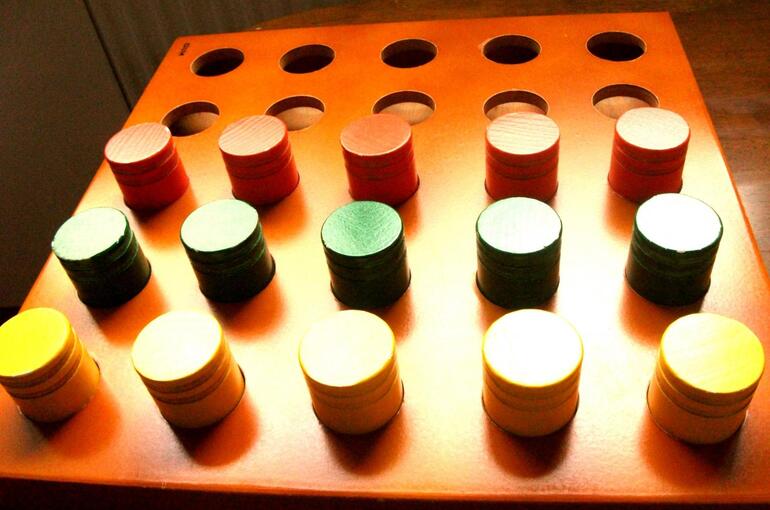
Do you feel that commercially available rehabilitation supplies are too expensive and that making your own is unsafe?
Pegboards are used for hand and upper limb rehabilitation, and with a bit of ingenuity, they can be made at home safely and effectively.
In fact, "handmade rehabilitation goods" are being used by occupational therapists in the field, and are attracting attention as they can maintain the effectiveness of training while keeping costs to less than 1/10. They can be applied not only to improving finger dexterity and expanding the range of motion of joints, but also to stimulating cognitive function and concentration.
This article provides detailed explanations on everything from how to choose the dimensions and material of pegs based on rehabilitation purposes, to the tools needed to process them safely, and design and usage points to keep in mind when making them yourself.
It covers the best approaches to fingertip training while also responding to requests such as "I want to start training with tools that I can use for free" and "I want to buy materials from MonotaRO or Rakuten and make them efficiently by hand."
If you read to the end, you will have the knowledge to create a homemade rehabilitation board that is highly effective for training and that suits you, efficiently and safely. Please read it before you hesitate to make your own.
LAP Corporation has developed and provides the Power Assist Series to support rehabilitation at home for people with hemiplegia due to cerebral infarction or accidents. This series is a robot that uses air pressure to gently move paralyzed joints in the fingers, ankles, and wrists to assist rehabilitation training. It can be easily used at home, enabling continuous rehabilitation. The product lineup includes the Power Assist Hand for fingers, the Power Assist Leg for ankles, and the Power Assist Wrist for wrists, and is compatible with the rehabilitation of each part of the body. Through these rehabilitation assistance robots, we will contribute to the recovery of function and improvement of the quality of life of everyone.
Meaning and effect of using it in elderly rehabilitation
Rehabilitation for the elderly is not just about maintaining function, but is also an important initiative in terms of continuing to live an independent life and preventing the need for nursing care. In particular, training to support fine movements of the hands directly leads to improvements in daily living activities such as eating, dressing, and washing the face. Fingertip rehabilitation using a pegboard is considered effective in this regard. The simple movement of pinching and removing pegs with the fingertips actually stimulates multiple functions at the same time, such as dexterity, grip strength, and eye-hand coordination.
Furthermore, pegboards are not special medical equipment, but rather have been attracting attention as rehabilitation tools that can be handmade at home, and in recent years they have been increasingly introduced in elderly care facilities. They can be easily introduced using materials that can be purchased at 100-yen shops, wooden boards, acrylic pegs, etc. The fact that original tools can be made to meet individual functional training needs while keeping costs down has also earned them high praise from caregivers and families.
The following effects are expected from rehabilitation using pegs:
Furthermore, in the case of elderly people, due to the decline in muscle strength and nervous system caused by aging, it can become difficult to perform actions such as buttoning a shirt or holding a cup. Repetitive training using a pegboard is also effective in maintaining such ADLs.
In addition, by changing the difficulty of the training, it is possible to accommodate various cognitive and motor function levels. By adjusting the thickness and length of the pegs, the firmness of insertion and removal, and setting rules by color coding, training can be made more fun and easier to continue.
Below are some of the main training benefits of homemade pegboards:
| Training Content | Affected Features | effect |
| Inserting and removing pegs | Finger dexterity and grip strength | Improved fine motor skills |
| Arrange the color pegs in order | Cognitive function, concentration | Attention and working memory training |
| Time-limited challenge | Judgment and speed of action | Improve judgment speed and sense of rhythm |
| Work with one hand at a time | Sense of balance in dominant and non-dominant hands | Coordination of asymmetric movements and optimization of neurostimulation |
In this way, the Rehabilitation Peg is a highly flexible training tool that can respond to the diverse challenges faced by the elderly. Because it can be easily implemented at home, it is also useful for preventing the need for nursing care and for self-training for those with mild conditions.
Significance in supporting recovery after hemiplegia and stroke
In the rehabilitation of hemiplegia or stroke, the concept of "reconstructing neural circuits through repetitive practice" is extremely important. Manual training using a pegboard aims to construct new motor patterns in damaged neural pathways, and is also used in medical settings as a form of training to encourage re-use of the paralyzed fingers.
In particular, upper limb paralysis caused by cerebrovascular disease can cause significant limitations in range of motion, motor dysfunction, and reduced dexterity. In response, pegboard training can bring about the following rehabilitation effects:
In the actual evaluation conducted by an occupational therapist, the speed and accuracy of inserting and removing the pegs, as well as the sense of position of the fingers, are recorded to quantitatively grasp the effect of rehabilitation. In addition, by dividing the training content into stages, it is possible to provide support according to each phase, such as the acute phase, recovery phase, and maintenance phase.
Below are some examples of recommended peg training for each phase:
| Rehabilitation Phase | Recommended training | the purpose |
| Acute | Checking the feel of the pegs, touch training | Sensory stimulation, nerve activation |
| Recovery period | Repeatedly inserting and removing the pegs | Regaining strength and coordination |
| Maintenance | Time trials and training with rules | ADL improvement, concentration and judgment training |
In this way, peg training has the advantage that it is easy to create a rehabilitation plan according to the individual's condition because it is easy to structure it in stages. Furthermore, since it does not require special equipment and can be used for independent rehabilitation at home, it is easy to introduce in areas with limited medical resources and in households with a heavy nursing care burden.
Even if you choose to use a homemade pegboard, working with a rehabilitation professional can help you safely and effectively support your hemiplegia recovery.
Also effective for training children and those with dementia
Rehabilitation pegs are used as extremely effective tools not only for the elderly and disabled, but also for children who need developmental support and elderly people with early symptoms of dementia. In particular, by designing them as something between an educational toy and a rehabilitation toy, they have the great advantage of allowing people to have fun while also engaging in functional training.
During a child's developmental stage, the development of dexterity, hand-eye coordination, and concentration are major themes. Through actions such as inserting pegs, lining them up, and sorting them by color, it is possible to promote both physical and cognitive development. Pegboards are also visually easy to understand and can serve as teaching materials for learning concepts such as colors, shapes, and numbers.
For elderly people with dementia, pegboards can be used as a form of training to counter the decline in short-term and procedural memory. It is said that repetitive tasks using simple rules can help activate the frontal lobe and hippocampus, potentially preventing the progression of the condition. In addition, it has been reported that moving your hands increases blood flow throughout the brain, which can also bring about psychological stability.
The following methods are effective in increasing the effectiveness of your training:
If you make your own, using colorful acrylic rods and wooden parts will add visual interest and help maintain motivation. Also, to ensure safety, it is essential to take measures such as setting the size and chamfering the corners to prevent accidental ingestion.
In the case of toys for children, approval as an educational toy is not required, but it is important to thoroughly check the safety and durability of the materials and adjust the content to suit the age and developmental stage of the user. In dementia prevention, the key to continued use is support from those around and creating an enjoyable environment. The fact that a seemingly simple tool like a pegboard contributes to a wide range of rehabilitation and training for people of all ages and symptoms is a value that cannot be overlooked in the context of future community welfare and home support.
A thorough comparison of homemade vs store-bought vs rental
When considering the introduction of rehabilitation pegs, many people are concerned about the choice of "making it yourself," "buying a commercial product," or "renting it." Each has its own advantages and disadvantages, and the optimal method varies depending on the purpose and environment of use. In particular, pegboards are widely used in occupational therapy and functional training at home, so it is important to make a comprehensive comparison of cost, safety, training effectiveness, etc.
The appeal of handmade products is their cost-effectiveness and high degree of freedom. By using materials available at 100-yen shops and home improvement centers (wooden lumber, acrylic rods, cat repellent sheets, etc.), you can make a full-fledged pegboard for just 1,000 yen. The size and shape can be adjusted to suit the user, and if designed with the advice of an occupational therapist, it can become an effective training tool.
On the other hand, care must be taken with safety. Incorrect corner treatment, peg size, and selection of coating materials can lead to risks of accidental ingestion, injury, and allergies. If used by elderly people or children, make the size of the toy difficult to swallow even if it is put in the mouth (diameter of 30 mm or more is recommended), and choose materials that take safety into consideration, such as unpainted natural wood or acrylic that complies with the Food Sanitation Act.
The appeal of commercially available products is the stable quality and warranty system. In particular, products manufactured by welfare equipment manufacturers are designed with the track record of medical facilities and the opinions of occupational therapists, and offer multiple models to suit the condition of the user. In addition, they also have a support system in place to deal with breakdowns and damage after purchase, making them suitable for long-term use.
Renting is convenient for short-term use or temporary rehabilitation after being discharged from hospital. If you want to train at home but are hesitant to buy, you can choose to rent for a trial period. However, it may be costly in the long run, so it is necessary to calculate the period and frequency of use in advance.
Considering the method of introduction while considering the actual usage scenario will ultimately lead to an improvement in the user's QOL (quality of life). Regardless of which method is chosen, the most important point is to properly select one that matches the user's safety and training purpose.
The pegs you should choose will vary depending on the user's age and symptoms.
Unless the appropriate specifications for rehabilitation pegs are selected according to the age and symptoms of the user, the expected training effect cannot be fully achieved. In particular, each target group, such as the elderly, hemiplegic patients, children, and people with dementia, has different needs and constraints, so it is necessary to optimize the size, material, and shape of the pegs.
First of all, it is essential to select the thickness and length of the pegs according to the size and strength of your hand. For those with weak grip strength, thick, easy-to-hold pegs (diameter 20-30 mm, length 50-80 mm) are suitable. On the other hand, if you want to improve dexterity in your fingers, using thin, small pegs will enable you to train precise movements.
Below are the specifications of pegs that should be selected depending on the user.
| User Type | Recommended peg specifications | Important points to note |
| Elderly (mildly debilitated) | Thick wooden or acrylic pegs (diameter 30mm or more) | Anti-slip and anti-ingestion |
| Hemiplegia/Post-stroke | Asymmetrical pegs for two-handed training with grips | Same usability for dominant and non-dominant hands |
| Early to mid-stage dementia | Color-coded pegs, different shapes that can be used for rule games | To avoid confusion, explanatory diagrams and sample layouts are required. |
| Children (including developmental support) | Colorful and lightweight plastic, EVA sponge, etc. | Made of materials that comply with safety standards and sized to prevent accidental ingestion |
| Hand contracture prevention | A movable board with adjustable peg height and angle | A design that does not force unreasonable movements is necessary |
The choice of material is also very important. Wood is warm and pleasant to the touch, making it especially popular with the elderly. However, it is vulnerable to moisture, so care must be taken with the storage environment. Acrylic has the advantage of being highly durable and easy to keep clean, but if it is too hard it can cause pain when it is bumped into, so rounding the corners and other processing is important.
The shape of the pegs also directly affects the difficulty of the functional training. Round pegs are easy to insert and are suitable for beginners, but using different shapes such as triangular or star pegs requires coordination between visual recognition and movement, resulting in a higher training effect. By gradually changing the shape, it is possible to create a system that allows the user to continue without getting bored.
Furthermore, depending on the symptoms and the progression of the disability, custom sizes and use of assistive devices may be required. The optimal specifications differ depending on whether the rehabilitation goal is to "recover function" or "maintain function," so it is advisable to work with an occupational therapist or specialist before use and receive an evaluation before introducing the device.
Thus, the selection of pegs is not simply a matter of choosing equipment, but rather requires individual optimization based on an accurate understanding of the physical and cognitive characteristics of the individual. Selecting specifications that combine the three elements of safety, effectiveness, and motivation is the key to maximizing the results of rehabilitation.
Making your own pegboard for rehabilitation is a very effective way to create a training environment that suits your individual symptoms and goals while keeping costs down. Especially considering the current situation where commercially available products are expensive and rentals incur ongoing costs, making your own pegboard can greatly reduce your financial burden. For example, if you make your own pegboard, the cost of materials can be as low as 1,000 yen, and if you make it safe to use at home, you can still get the full training benefits.
The biggest advantage of handmade products is their customizability. The size of the pegs and the material of the board can be changed according to the user's age and rehabilitation goals, making it possible to meet a wide range of needs, from preventing finger contractures in the elderly to intellectual development and brain training for children, and training the fine motor skills of hemiplegic patients. In particular, training that utilizes inserting and removing pegs has attracted attention not only for increasing the range of motion of the fingertips and wrists, but also for maintaining cognitive function and concentration.
On the other hand, consideration of safety and durability is also essential. Processing based on the basics that are also taken into consideration in the medical field, such as rounding corners and using harmless materials for painting and adhesives, is necessary. Furthermore, by referring to the ideas used by actual occupational therapists and training content that follows official guidelines, more effective training can be achieved at home.
Even if you are unsure of how to use it or which size is appropriate, by organizing the information correctly, you can use it safely and effectively at home. With a little ingenuity and the right knowledge, why not create a practical rehabilitation environment that is cost-effective and time-saving? If left untreated, this is a situation that can directly lead to functional decline and the risk of recurrence, so early action will have a major impact on your future quality of life.
LAP Corporation has developed and provides the Power Assist Series to support rehabilitation at home for people with hemiplegia due to cerebral infarction or accidents. This series is a robot that uses air pressure to gently move paralyzed joints in the fingers, ankles, and wrists to assist rehabilitation training. It can be easily used at home, enabling continuous rehabilitation. The product lineup includes the Power Assist Hand for fingers, the Power Assist Leg for ankles, and the Power Assist Wrist for wrists, and is compatible with the rehabilitation of each part of the body. Through these rehabilitation assistance robots, we will contribute to the recovery of function and improvement of the quality of life of everyone.
Q. How much does it cost to make a homemade rehabilitation peg?
A. If you make a homemade pegboard for rehabilitation, the basic material cost will be within 1,000 to 3,000 yen. While the cost of rehabilitation supplies and pegboards sold in shops is around 5,000 to 12,000 yen, you can significantly reduce costs by using wooden boards, pegs, adhesives, etc. available at home improvement centers. Another major advantage of making a homemade pegboard is that you can freely choose the dimensions and materials, so you can customize it according to the condition of the user's fingertips and the purpose of the training.
Q. Are there any safety precautions to take when using homemade pegs for seniors?
A. When used by elderly people, it is necessary to take measures to prevent the risk of accidental ingestion or injury. Specifically, safety considerations are required, such as rounding the corners of the pegs and boards, using non-toxic paint, and making the size 20mm or more so that it is easy to grasp. For elderly people who have advanced finger contractures, in particular, tools made of non-slip materials and designs that allow stable movements during training can maximize the rehabilitation effect.
Q. Which is more effective: a homemade or a commercially available/rented rehabilitation pegboard?
A. In terms of effectiveness, handmade equipment is extremely effective as you can choose the size and material that suits the user's condition. In particular, you can adjust the height and movement load according to the dexterity and muscle strength of your fingers, allowing for training that is almost custom-made. While commercially available products have a support system and safety standards, they often cost more than 10,000 yen, and renting them can cost 1,000 to 2,000 yen per month. As a result, if you are looking for a balance between cost-effectiveness and customizability, handmade equipment is the best option.
Q. What kind of training can the rehabilitation pegs be used for?
A. Pegboards are used not only for finger and wrist movement training, but also for brain training to prevent dementia and improve concentration. For example, a variety of training is possible, such as color matching using the colors of the pegs, speed training to measure time, and memory stimulation by remembering sequences. In addition to functional training, they also include educational elements, so they are widely used by people of all ages, from children to the elderly. In medical and nursing care settings, they are also used as teaching materials by occupational therapists, and are highly reliable items as rehabilitation goods.
Company name: LAP Co., Ltd.
Location: 2-1-40 Oikawa, Atsugi City, Kanagawa Prefecture, 243-0212
Telephone number: 046-204-9343


|
|
046-204-9343 9: 00-17: 00
|
|
local_phone TEL |
contact_mail お問い合わせ |
スマホ決済がご利用頂けます。
ご希望の決済方法をお選びください。

キャッシュレス決済がご利用頂けます。
お支払い方法は各サービスのご利用方法に準じます。
※ご新規で電子決済サービスをご希望の方はアプリケーションストアよりダウンロードしてください。
